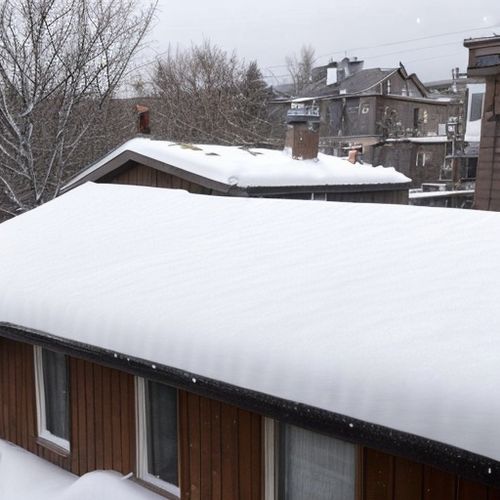
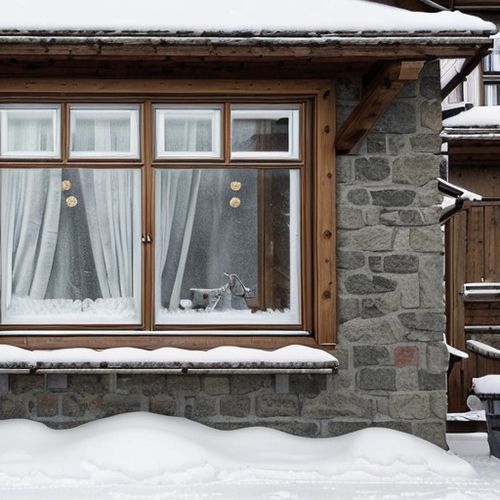
The weight of winter in Canada is often measured not just in degrees below zero but in the layers of snow accumulating on rooftops. For homeowners, particularly those with independent houses, the silent buildup of snow on roofs can pose hidden dangers that extend far beyond picturesque postcard views. The process of clearing this snow isn’t merely about aesthetics—it’s a critical maintenance task that safeguards both property and lives.
Across Canadian provinces, the challenges of roof snow removal vary with climate and architecture. In regions like Quebec or Alberta, where snowfall is heavy and persistent, the structural integrity of a roof can be compromised if snow isn’t regularly cleared. The weight of wet, compacted snow can exceed 20 pounds per cubic foot, placing immense stress on load-bearing walls and support beams. Older homes, often built to outdated building codes, are especially vulnerable to collapses under these conditions.
Understanding when to intervene is as important as the removal process itself. Not all snow requires immediate action; a light dusting may melt naturally, while deeper accumulations demand attention. Professionals recommend monitoring snow depth once it exceeds 12 inches, particularly after storms where wind has created uneven drifts. The risks extend beyond weight—ice dams, formed when heat escapes through the roof and melts underlying snow, can lead to water infiltration and mold growth within walls.
The tools and techniques for safe snow removal reflect a blend of tradition and innovation. While some homeowners still rely on aluminum roof rakes with extendable handles, others invest in heated cables or chemical treatments to prevent ice buildup. However, manual removal remains the most thorough method. It’s a physically demanding task that requires working from ground level whenever possible—climbing onto a snow-covered roof introduces hazards like slips or falls through weakened sections. Specialized contractors often use harness systems and thermal imaging to identify vulnerable areas before beginning work.
Insurance implications add another layer of complexity to this seasonal chore. Many Canadian insurers require proof of regular roof maintenance to validate claims related to snow damage. A collapsed roof deemed neglected may lead to denied coverage, leaving homeowners facing repair costs that can soar into tens of thousands of dollars. Documenting removal efforts through dated photographs or contractor invoices has become a prudent practice in recent years.
Beyond structural concerns, there’s an ecological dimension to consider. The runoff from cleared snow, often mixed with de-icing agents, can alter soil composition and affect local vegetation. Some municipalities now regulate the disposal of snow cleared from roofs, particularly in urban areas where contaminants like road salt are prevalent. Environmentally conscious homeowners increasingly opt for plastic-bladed shovels over metal edges to minimize damage to roofing materials and reduce metallic runoff.
The human element of this annual ritual reveals cultural attitudes toward winter. For multigenerational households, roof clearing often becomes a shared responsibility, with grandparents teaching safe techniques to teenagers. Neighborhood initiatives sometimes emerge organically, able-bodied residents assisting elderly or disabled neighbors. This informal network of mutual aid highlights how winter survival in Canada has always been a collective endeavor, even for those living in independent homes.
Technological advancements are gradually transforming this labor-intensive process. Drone-mounted thermal cameras now help assess snow density without ladder climbs, while robotic snow blowers designed for roofs are undergoing testing in British Columbia. Yet these solutions remain cost-prohibitive for many. The majority of Canadians still face the seasonal reality of early mornings spent chipping away at ice formations, their breath visible in the cold air as they perform this necessary winter rite.
As climate patterns shift, the nature of roof snow accumulation may change, but its importance won’t diminish. Homeowners must balance immediate safety concerns with long-term roof preservation, recognizing that each scrape of the shovel affects the lifespan of their roofing materials. In a country where winter dominates half the year, clearing one’s roof becomes more than maintenance—it’s an act of resilience against the relentless Canadian elements.
By Christopher Harris/Apr 14, 2025
By William Miller/Apr 14, 2025

By Grace Cox/Apr 14, 2025

By James Moore/Apr 14, 2025
By Victoria Gonzalez/Apr 14, 2025
By Megan Clark/Apr 14, 2025

By Lily Simpson/Apr 14, 2025

By Eric Ward/Apr 14, 2025

By Elizabeth Taylor/Apr 14, 2025

By Thomas Roberts/Apr 14, 2025
By Emily Johnson/Apr 14, 2025

By Olivia Reed/Apr 14, 2025

By Sarah Davis/Apr 14, 2025

By Laura Wilson/Apr 14, 2025

By John Smith/Apr 14, 2025

By Emily Johnson/Apr 14, 2025

By Ryan Martin/Apr 14, 2025

By Sophia Lewis/Apr 14, 2025

By Samuel Cooper/Apr 14, 2025

By Sarah Davis/Apr 14, 2025