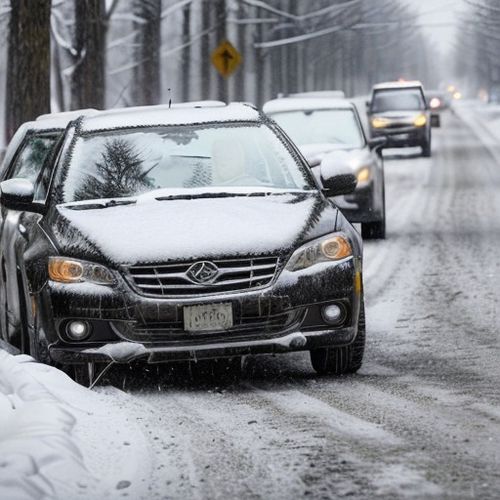
As winter approaches in Canada, drivers across the country are reminded of the importance of equipping their vehicles with winter tires. The regulations surrounding winter tires vary by province, but one thing remains consistent: failing to comply can result in hefty fines. In most provinces, the minimum penalty starts at $200, with some regions imposing even steeper fines for non-compliance. These laws are not just about avoiding penalties—they are designed to enhance road safety during the harshest months of the year.
The use of winter tires is not merely a suggestion; in several provinces, it is a legal requirement during specific months. Quebec was the first province to mandate winter tires, and others have followed suit with their own regulations. British Columbia, for instance, requires winter tires or chains on most highways from October to March. Ontario does not have a blanket law but strongly recommends winter tires, and some insurance companies offer discounts for drivers who use them. Meanwhile, in the Atlantic provinces, the rules can vary by municipality, adding another layer of complexity for travelers.
Why the strict regulations? The answer lies in the performance of winter tires under cold-weather conditions. Unlike all-season tires, which harden and lose traction in freezing temperatures, winter tires are made from specialized rubber compounds that remain flexible. This flexibility allows for better grip on icy or snow-covered roads, significantly reducing the risk of accidents. Studies have shown that vehicles equipped with winter tires stop up to 40% shorter on snowy roads compared to those with all-season tires. For provinces that experience severe winters, these tires are a critical safety measure.
The fines for non-compliance are just the beginning of the potential financial consequences. Drivers caught without winter tires in regions where they are mandatory may also face increased insurance premiums. In the event of an accident, insurance companies could deny claims if the vehicle was not properly equipped for winter conditions. This makes the initial investment in winter tires a far more economical choice than risking fines, higher insurance costs, or worse—being liable for a collision.
Enforcement of winter tire laws is typically handled by local police and highway patrol officers. In some provinces, checkpoints are set up during peak travel times to ensure compliance. Penalties can range from the base fine of $200 to much higher amounts, depending on the jurisdiction and circumstances. Repeat offenders may face escalating fines, and in rare cases, vehicles can be impounded if they are deemed unsafe for road conditions.
For drivers who are new to Canada or unfamiliar with the varying provincial laws, navigating these requirements can be daunting. Resources such as provincial transportation websites and local automotive associations provide up-to-date information on regulations. Additionally, tire retailers often offer guidance on the best options for specific vehicles and regions. Ignorance of the law is rarely accepted as an excuse, so taking the time to research and comply is essential.
Beyond the legal and financial implications, the push for winter tires underscores a broader commitment to road safety in Canada. With winter weather contributing to thousands of accidents annually, provinces are increasingly prioritizing measures to protect drivers. While the upfront cost of winter tires may seem burdensome to some, the long-term benefits—both in safety and potential savings—are undeniable. For Canadian motorists, adhering to these regulations is not just about avoiding a ticket; it’s about ensuring a safer journey for everyone on the road.

By Christopher Harris/Apr 14, 2025

By William Miller/Apr 14, 2025

By Grace Cox/Apr 14, 2025

By James Moore/Apr 14, 2025

By Victoria Gonzalez/Apr 14, 2025

By Megan Clark/Apr 14, 2025

By Lily Simpson/Apr 14, 2025

By Eric Ward/Apr 14, 2025

By Elizabeth Taylor/Apr 14, 2025

By Thomas Roberts/Apr 14, 2025
By Emily Johnson/Apr 14, 2025

By Olivia Reed/Apr 14, 2025

By Sarah Davis/Apr 14, 2025

By Laura Wilson/Apr 14, 2025
By John Smith/Apr 14, 2025

By Emily Johnson/Apr 14, 2025

By Ryan Martin/Apr 14, 2025

By Sophia Lewis/Apr 14, 2025

By Samuel Cooper/Apr 14, 2025

By Sarah Davis/Apr 14, 2025