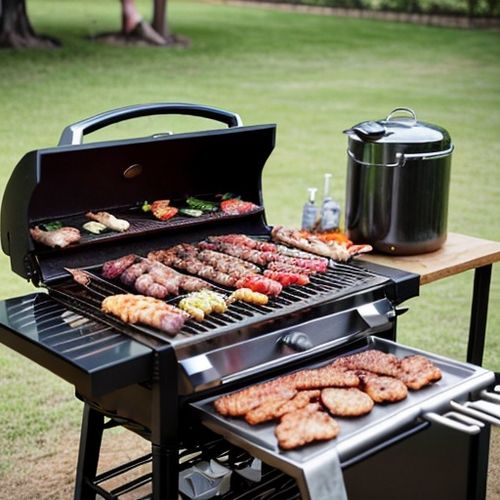
There’s something quintessentially Australian about firing up the backyard barbecue. Whether it’s a lazy Sunday afternoon with friends or a midweek family dinner, the trusty BBQ is a cornerstone of Aussie culture. But like any hardworking piece of equipment, it requires regular care to keep it performing at its best. Neglecting maintenance can lead to everything from uneven cooking to potential safety hazards. A well-looked-after barbecue not only lasts longer but also delivers better-tasting food.
The first step in maintaining your barbecue is understanding its components. Gas, charcoal, and electric BBQs each have their own quirks. Gas barbecues, for instance, need attention paid to their burners and gas lines, while charcoal grills demand proper ash management. Electric models, though lower maintenance, still benefit from regular cleaning of heating elements. Regardless of type, grates, lids, and drip trays are universal features that need consistent upkeep.
Cleaning the grates is perhaps the most immediate task after any barbecue session. Food residue left to harden becomes far more difficult to remove later. A wire brush is the go-to tool for this job, but for enamel or porcelain-coated grates, a gentler approach with a nylon brush prevents scratching. For stubborn buildup, a paste of baking soda and water left to sit for a few minutes can work wonders. Seasoning cast iron grates with a light coat of oil after cleaning helps prevent rust and keeps them non-stick.
The drip tray often gets overlooked until it’s overflowing with grease. This isn’t just messy—it’s a fire risk. Foil liners can simplify cleanup, but even with these, the tray itself should be scrubbed monthly with hot soapy water. For gas BBQs, checking the burner tubes for blockages is crucial. Spiders and insects are oddly fond of nesting in these small spaces, which can lead to uneven flames or even gas flow issues. A pipe cleaner or compressed air can clear most obstructions.
Charcoal enthusiasts face different challenges. Ash removal should be thorough but not immediate—wait until coals are completely cold to avoid any risk of reignition. A small layer of ash at the bottom can actually help regulate temperature, but too much restricts airflow. The vents on charcoal BBQs need particular attention; stiff or corroded vents make temperature control frustratingly difficult. A occasional wipe with cooking oil on the vent mechanisms keeps them moving smoothly.
Weather protection is non-negotiable in Australia’s harsh climate. UV rays degrade plastics and fade finishes, while rain accelerates rust. A fitted cover is the simplest solution, but ensure the BBQ is completely cool before covering to prevent moisture buildup. For those in coastal areas, the salty air calls for extra vigilance. Stainless steel models fare better but still benefit from regular wipes with a mild detergent to remove salt residue.
Deep cleaning twice a year—before and after peak usage seasons—keeps things in top shape. This involves disassembling removable parts for a soak in warm soapy water, checking hoses for cracks (on gas models), and inspecting all seals. A leak test for gas BBQs is simple: apply a soapy water solution to connections and look for bubbles when the gas is on. Any bubbling indicates a leak that needs immediate attention.
Storage considerations vary by BBQ type. Gas bottles should always be stored upright and outdoors, never in enclosed spaces. Charcoal needs to be kept dry—damp briquettes are frustrating to light. Even electric models benefit from being unplugged and covered when not in use for extended periods. Rodents sometimes nest in unused BBQs, so stuffing the interior with newspaper or using natural deterrents like peppermint oil can prevent unwanted tenants.
The payoff for this maintenance routine is substantial. Food tastes better when cooked on clean grates free of old residue. Heat distributes more evenly from unobstructed burners or properly managed coals. Perhaps most importantly, regular checks significantly reduce fire risks from grease buildup or gas leaks. That peace of mind lets you focus on what really matters—perfecting those grill marks and enjoying Australia’s great outdoors with good company.
Beyond the practicalities, there’s an almost meditative quality to BBQ maintenance. The rhythmic scraping of grates, the methodical checking of components—it’s a ritual that connects us to the simple pleasures of outdoor cooking. In a world of disposable gadgets, the barbecue remains something we nurture and that, in turn, nurtures us. That sizzle as meat hits a well-seasoned grill? That’s the sound of a relationship well maintained.
By Christopher Harris/Apr 14, 2025

By William Miller/Apr 14, 2025

By Grace Cox/Apr 14, 2025
By James Moore/Apr 14, 2025
By Victoria Gonzalez/Apr 14, 2025

By Megan Clark/Apr 14, 2025

By Lily Simpson/Apr 14, 2025

By Eric Ward/Apr 14, 2025

By Elizabeth Taylor/Apr 14, 2025

By Thomas Roberts/Apr 14, 2025

By Emily Johnson/Apr 14, 2025

By Olivia Reed/Apr 14, 2025

By Sarah Davis/Apr 14, 2025

By Laura Wilson/Apr 14, 2025

By John Smith/Apr 14, 2025

By Emily Johnson/Apr 14, 2025

By Ryan Martin/Apr 14, 2025

By Sophia Lewis/Apr 14, 2025

By Samuel Cooper/Apr 14, 2025

By Sarah Davis/Apr 14, 2025