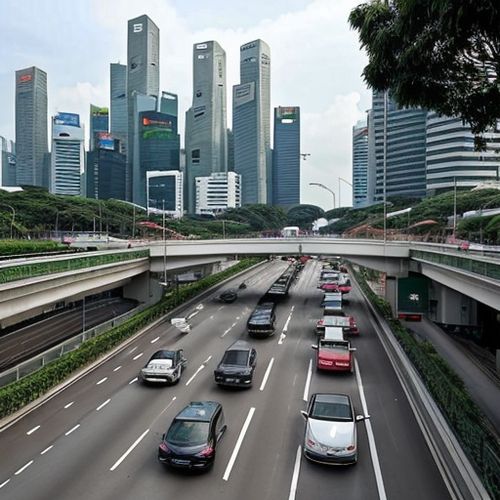
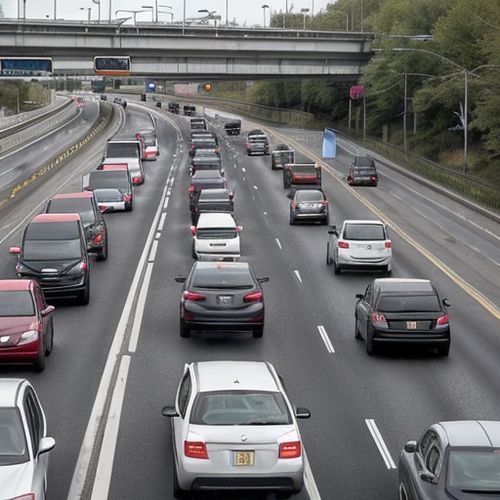
The concept of carpool lanes, also known as high-occupancy vehicle (HOV) lanes, has been a cornerstone of urban transportation planning in the United States for decades. These lanes are designed to encourage carpooling by offering faster travel times for vehicles carrying multiple passengers. Among the various rules governing these lanes, one of the most stringent is the requirement that vehicles must have at least three occupants to access certain HOV lanes. This regulation, often referred to as the "3+ rule," has sparked debates among commuters, policymakers, and urban planners alike.
The rationale behind the 3+ rule is rooted in the broader goals of reducing traffic congestion and lowering emissions. By incentivizing carpooling, transportation authorities aim to decrease the number of single-occupancy vehicles on the road. The logic is simple: fewer cars mean less traffic and a smaller carbon footprint. However, the effectiveness of this approach depends largely on compliance and enforcement, which can vary significantly from one region to another. Some states have adopted stricter measures, including hefty fines for violators, while others rely more on voluntary adherence.
Critics of the 3+ rule argue that it places an undue burden on commuters who may not have the flexibility to carpool. For instance, parents with young children or individuals with irregular work schedules often find it challenging to meet the occupancy requirement. Additionally, the rise of ride-sharing services like Uber and Lyft has complicated the enforcement of HOV lane rules. Some drivers exploit loopholes by claiming their passengers as "carpoolers," even when the trips are not genuinely shared rides. This has led to calls for more sophisticated monitoring systems, such as automated license plate readers, to ensure compliance.
Despite these challenges, proponents of the 3+ rule maintain that it is a necessary step toward sustainable urban mobility. They point to studies showing that HOV lanes can reduce overall travel times and improve air quality, even if the benefits are not immediately visible to every commuter. Furthermore, some cities have experimented with dynamic HOV lanes, where the occupancy requirement changes based on real-time traffic conditions. These adaptive systems aim to strike a balance between encouraging carpooling and accommodating solo drivers during off-peak hours.
The debate over the 3+ rule also touches on broader issues of equity and accessibility. Low-income commuters, who are less likely to own cars, often rely on public transportation or informal carpooling arrangements. For them, HOV lanes can be a lifeline, providing a faster and more reliable way to get to work. On the other hand, critics argue that these lanes disproportionately benefit wealthier individuals who can afford to live in areas with robust public transit options or who have the flexibility to carpool. This tension highlights the need for a more nuanced approach to transportation policy—one that considers the diverse needs of all commuters.
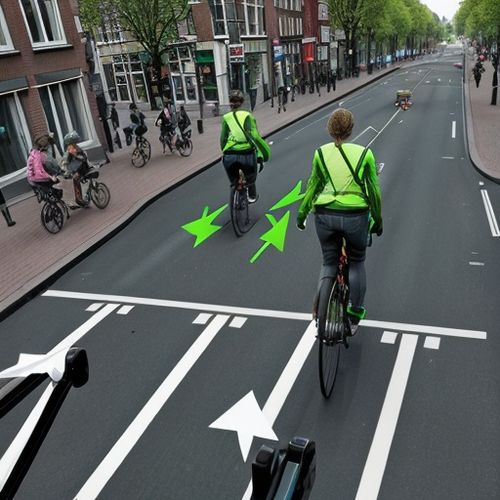
Looking ahead, the future of HOV lanes and the 3+ rule is likely to be shaped by technological advancements and shifting societal norms. The growing popularity of electric and autonomous vehicles, for example, could prompt policymakers to rethink the criteria for lane access. Some have suggested that zero-emission vehicles should be allowed to use HOV lanes regardless of occupancy, as an additional incentive for adopting cleaner technologies. Others advocate for a more holistic approach that integrates HOV lanes with other forms of sustainable transportation, such as bike lanes and bus rapid transit systems.
In the end, the success of the 3+ rule will depend on its ability to adapt to changing circumstances. While it may not be a perfect solution, it represents an important tool in the broader effort to create more efficient and environmentally friendly transportation systems. As cities continue to grow and evolve, so too must the policies that govern how we move through them. The conversation around HOV lanes is far from over, but one thing is clear: finding the right balance between convenience, sustainability, and equity will be key to shaping the future of urban mobility.

By Christopher Harris/Apr 14, 2025

By William Miller/Apr 14, 2025
By Grace Cox/Apr 14, 2025

By James Moore/Apr 14, 2025

By Victoria Gonzalez/Apr 14, 2025

By Megan Clark/Apr 14, 2025

By Lily Simpson/Apr 14, 2025

By Eric Ward/Apr 14, 2025
By Elizabeth Taylor/Apr 14, 2025
By Thomas Roberts/Apr 14, 2025
By Emily Johnson/Apr 14, 2025

By Olivia Reed/Apr 14, 2025
By Sarah Davis/Apr 14, 2025
By Laura Wilson/Apr 14, 2025
By John Smith/Apr 14, 2025

By Emily Johnson/Apr 14, 2025
By Ryan Martin/Apr 14, 2025

By Sophia Lewis/Apr 14, 2025

By Samuel Cooper/Apr 14, 2025

By Sarah Davis/Apr 14, 2025