Navigating Italy’s restricted traffic zones, known as Zona a Traffico Limitato (ZTL), can be a daunting task for tourists. These areas, designed to preserve the historical and environmental integrity of city centers, often catch visitors off guard with their strict enforcement and hefty fines. However, many travelers are unaware that exemptions exist for tourists under specific conditions. Understanding how to apply for these exemptions can mean the difference between a stress-free exploration of Italy’s picturesque streets and an unexpected penalty.
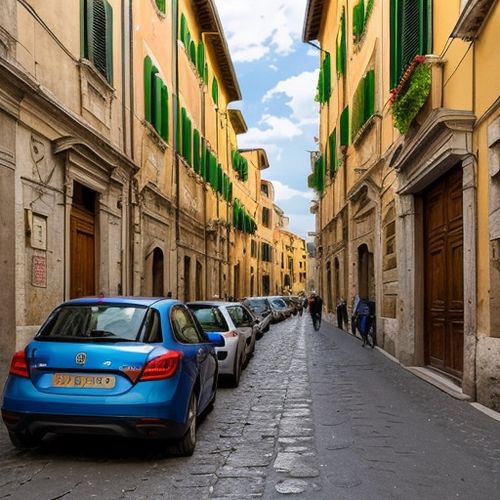
The concept of ZTLs varies from city to city, with each municipality setting its own rules. In Rome, Florence, or Bologna, for instance, the boundaries and operating hours differ significantly. What remains consistent is the requirement for non-residents to obtain permission before entering these zones. For tourists, the process often involves proving their status as temporary visitors, typically through hotel reservations or other documentation. The challenge lies in the lack of a standardized procedure, as each city’s local government handles applications differently.
One of the most common misconceptions is that rental car agencies automatically handle ZTL exemptions. While some may provide guidance, the responsibility ultimately falls on the driver. In cities like Florence, where ZTL cameras are notorious for capturing unauthorized vehicles, even a brief unintentional entry can result in fines exceeding €100. This has led to growing frustration among tourists who argue that signage is unclear or insufficiently translated. Advocates for traveler-friendly policies have called for better communication, but until then, the burden remains on visitors to research local requirements.
For those staying in accommodations within ZTL areas, the exemption process is usually more straightforward. Many hotels in historic centers can register their guests’ license plates with local authorities, granting temporary access. However, this service isn’t universal—some smaller guesthouses or private rentals may not offer it. Travelers should confirm this arrangement when booking and ensure their vehicle details are submitted well in advance. Delays in processing or incorrect information can nullify the exemption, leaving tourists vulnerable to penalties.
An often-overlooked aspect is the timing of exemption validity. In certain cities, permissions are granted only for check-in and check-out periods, meaning any additional trips during one’s stay would require separate approvals. Venice’s limited access area, though not a traditional ZTL, follows similar logic for vehicles arriving at Piazzale Roma. The complexity increases when travelers plan to visit multiple ZTL cities during their trip, as each destination demands its own application. This bureaucratic maze has led some to abandon road travel altogether in favor of trains and regional buses.
Digital solutions have emerged in recent years to simplify the process. Platforms like ZTLpass in Florence allow online applications, while Rome’s police department accepts emailed requests. Still, language barriers and technical glitches persist. Many official portals lack English translations, and payment systems may reject foreign credit cards. Those attempting last-minute applications frequently encounter processing delays, highlighting the importance of initiating requests at least several days before arrival. The digital divide also affects older travelers or those without reliable internet access during their trips.
The consequences of ZTL violations extend beyond immediate fines. Rental car companies often add administrative fees to any tickets received, and some may even block charges on customers’ credit cards until disputes are resolved. There have been cases where tourists discovered fines months after their trips, compounded by late fees. While contesting these penalties from abroad is theoretically possible, the language barrier and complex appeal procedures make successful challenges rare. Prevention through proper exemption applications remains the most reliable approach.
Seasonal variations add another layer of complexity to ZTL regulations. During peak tourist seasons or special events, some cities tighten restrictions or suspend exemptions altogether. The Palio in Siena or Christmas markets in Milan, for example, often come with temporary traffic modifications. Conversely, winter months might see reduced enforcement in certain areas. Checking for such exceptions requires monitoring municipal websites or consulting local tourism offices—a step many time-pressed travelers skip. This information gap frequently results in unpleasant surprises upon arrival.
Public transportation alternatives present a viable solution for many visitors. Italy’s extensive train network connects major cities efficiently, with historic centers often best explored on foot anyway. For those requiring vehicles, parking outside ZTL boundaries and using park-and-ride services can eliminate exemption headaches entirely. However, this approach requires careful planning, especially with luggage or mobility challenges. The trade-off between convenience and compliance continues to shape tourist transportation choices throughout the country.
Looking ahead, pressure from tourism organizations may lead to more unified exemption systems across Italian cities. Some propose a nationwide digital pass that would cover multiple ZTL areas, similar to France’s Crit’Air system for environmental zones. Until such reforms materialize, thorough research and proactive applications remain essential for drivers. As Italy balances preservation with accessibility, the ZTL exemption process serves as a reminder that la dolce vita sometimes comes with fine print.

By Christopher Harris/Apr 14, 2025

By William Miller/Apr 14, 2025
By Grace Cox/Apr 14, 2025

By James Moore/Apr 14, 2025

By Victoria Gonzalez/Apr 14, 2025

By Megan Clark/Apr 14, 2025

By Lily Simpson/Apr 14, 2025
By Eric Ward/Apr 14, 2025
By Elizabeth Taylor/Apr 14, 2025
By Thomas Roberts/Apr 14, 2025
By Emily Johnson/Apr 14, 2025
By Olivia Reed/Apr 14, 2025
By Sarah Davis/Apr 14, 2025
By Laura Wilson/Apr 14, 2025
By John Smith/Apr 14, 2025
By Emily Johnson/Apr 14, 2025

By Ryan Martin/Apr 14, 2025

By Sophia Lewis/Apr 14, 2025

By Samuel Cooper/Apr 14, 2025

By Sarah Davis/Apr 14, 2025