The Nordic approach to minimalist home organization has long been celebrated for its seamless blend of functionality and aesthetic tranquility. Rooted in Scandinavian design principles, this method goes beyond mere tidiness—it cultivates a lifestyle of intentional living. At its core, Nordic minimalism isn’t about deprivation but about curating spaces that breathe, where every object serves a purpose or sparks joy. The result is a home that feels both serene and deeply personal, free from the chaos of excess.
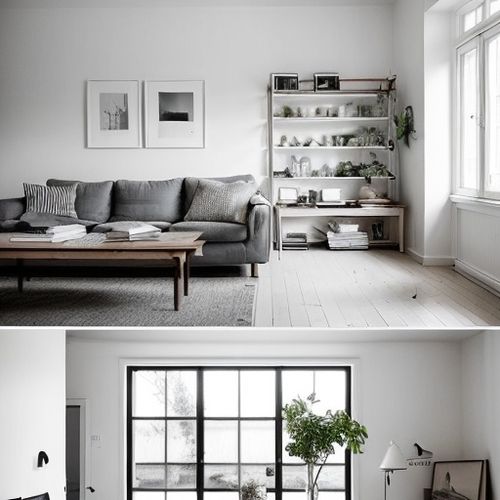
One of the defining characteristics of Nordic收纳 is the emphasis on natural materials. Wood, linen, and muted tones dominate, creating a canvas that feels organic and warm. Storage solutions are often unobtrusive, designed to blend into the architecture rather than compete with it. Think built-in shelves with clean lines, woven baskets that soften sharp edges, and understated cabinets that prioritize flow over ornamentation. The goal is to make storage feel like an extension of the home’s design, not an afterthought.
Light plays a pivotal role in Nordic interiors, and this extends to how spaces are organized. Clutter is seen as a barrier to light, both literal and metaphorical. By keeping surfaces clear and opting for multifunctional furniture—like a coffee table with hidden compartments or a bed frame with drawers—Scandinavian homes maximize openness. Even in smaller spaces, the clever use of vertical storage (floating shelves, wall-mounted hooks) ensures that the floor remains unencumbered, amplifying the sense of airiness.
A subtle but profound aspect of this philosophy is the relationship between storage and mindfulness. Nordic culture values lagom—a Swedish term meaning "just the right amount." This translates to a deliberate editing process: regularly assessing belongings and letting go of what no longer serves. It’s not a one-time purge but an ongoing practice, akin to tending a garden. This mindset shift—from accumulation to curation—is what prevents minimalist spaces from feeling sterile or impersonal.
Textures are another unsung hero in Nordic收纳. A single wool throw draped over a storage bench or a ceramic vase on a shelf can add warmth without visual noise. The tactile quality of these elements invites interaction, making storage feel less utilitarian. For example, open shelving in kitchens might display handcrafted bowls alongside everyday dishes, merging practicality with artistry. This balance ensures that even the most functional corners of the home feel inviting.
Seasonality also influences Nordic organization. In a climate with long winters, homes are designed to adapt. Cozy blankets are stored within arm’s reach during colder months, then rotated out in summer. This cyclical approach to storage—keeping only what’s relevant to the current season—reduces stagnation and keeps spaces feeling fresh. It’s a reminder that minimalism isn’t static; it evolves with the rhythms of life.
Perhaps the most radical idea embedded in Nordic收纳 is the rejection of perfection. Unlike the Instagram-ready minimalism often portrayed, Scandinavian homes embrace slight imperfections—a worn wooden crate used for toys, a slightly mismatched set of glass jars. These "flaws" tell stories, grounding the space in authenticity. The focus is on creating a home that feels lived-in, not staged. This acceptance of imperfection makes the system sustainable, as it doesn’t demand relentless upkeep.
Ultimately, Nordic收纳 is less about rules and more about cultivating a mindset. It’s an invitation to slow down, to ask why we keep what we keep, and to design spaces that reflect our values rather than societal pressures. In a world of constant consumption, this approach offers a quiet rebellion—a way to find richness in less.

By Christopher Harris/Apr 14, 2025

By William Miller/Apr 14, 2025

By Grace Cox/Apr 14, 2025

By James Moore/Apr 14, 2025

By Victoria Gonzalez/Apr 14, 2025

By Megan Clark/Apr 14, 2025
By Lily Simpson/Apr 14, 2025

By Eric Ward/Apr 14, 2025

By Elizabeth Taylor/Apr 14, 2025

By Thomas Roberts/Apr 14, 2025

By Emily Johnson/Apr 14, 2025

By Olivia Reed/Apr 14, 2025

By Sarah Davis/Apr 14, 2025

By Laura Wilson/Apr 14, 2025

By John Smith/Apr 14, 2025

By Emily Johnson/Apr 14, 2025

By Ryan Martin/Apr 14, 2025

By Sophia Lewis/Apr 14, 2025

By Samuel Cooper/Apr 14, 2025

By Sarah Davis/Apr 14, 2025