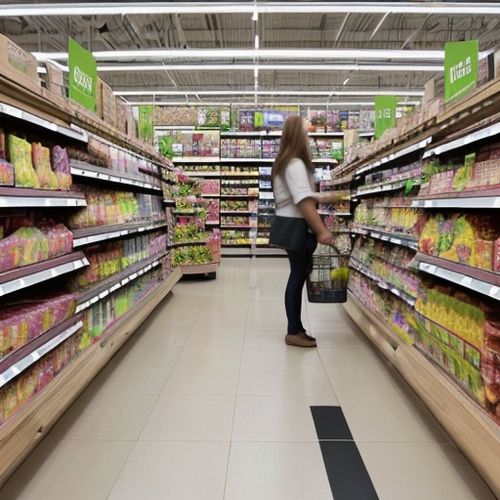
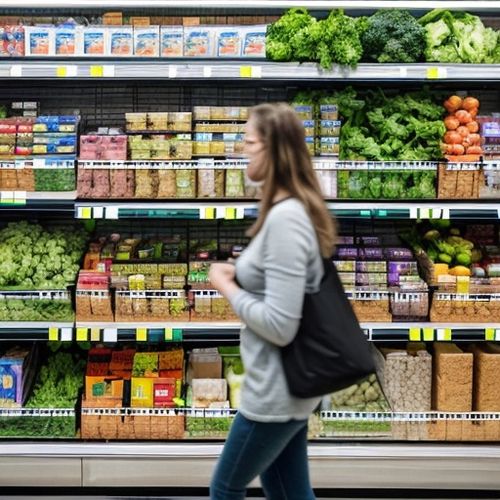
Walking into a typical German supermarket, one is immediately struck by the absence of something so commonplace that its lack feels revolutionary: plastic packaging. The concept of "unpackaged" or "zero-waste" supermarkets has been gaining traction across Germany, offering consumers an alternative to the endless layers of plastic, cardboard, and foil that dominate modern grocery shopping. These stores challenge the status quo by encouraging shoppers to bring their own containers, filling them directly from bulk dispensers, and in the process, saving up to 15% on their grocery bills. The movement isn’t just about cutting costs—it’s a cultural shift toward sustainability, one jar at a time.
The idea is simple but transformative. Instead of pre-packaged goods, shelves are lined with gravity bins, glass jars, and reusable containers filled with everything from pasta and rice to olive oil and shampoo. Customers weigh their empty containers at the entrance, fill them with the desired products, and pay based on the net weight. By eliminating packaging, these stores reduce waste and pass the savings on to the consumer. The 15% cost reduction isn’t just a marketing gimmick—it’s a reflection of the lower overheads associated with skipping branded packaging and the logistical costs of handling it.
One of the most striking aspects of these stores is how they redefine the shopping experience. Gone are the brightly colored logos and aggressive marketing tactics designed to lure impulse buyers. Instead, the focus is on quality, provenance, and mindfulness. Shoppers are forced to consider how much they actually need, reducing food waste in addition to packaging waste. It’s a slower, more intentional way of shopping, one that contrasts sharply with the frenetic pace of conventional supermarkets. For many, the initial adjustment can feel cumbersome, but regulars swear by the ritual of preparing their containers and the satisfaction of leaving without a single piece of trash.
The environmental impact of this model is undeniable. Germany, like much of the world, is grappling with a plastic waste crisis, and these stores offer a tangible solution. By some estimates, a single household can save hundreds of plastic packages per year by switching to bulk shopping. The ripple effects extend beyond the kitchen: fewer trucks are needed to transport goods since bulk items are more efficiently packed, and less energy is consumed in the production and recycling of packaging materials. It’s a small but meaningful step toward decarbonizing the food industry, one that aligns with Germany’s broader ambitions of achieving a circular economy.
Critics, however, point out that the zero-waste movement still faces significant hurdles. For one, it requires a level of customer commitment that may not be feasible for everyone. Remembering to bring containers, planning shopping trips around their availability, and washing them afterward adds friction to an activity many prefer to keep quick and convenient. There’s also the question of accessibility—unpackaged stores are still rare outside urban centers, and their prices, even with the 15% savings, can be higher than discount supermarkets due to the premium on organic and ethically sourced products. For the movement to scale, it will need to address these barriers without compromising its core principles.
Despite the challenges, the trend shows no signs of slowing. Berlin, Munich, and Hamburg now boast multiple zero-waste stores, and smaller cities are following suit. The model has even inspired hybrid approaches, where traditional supermarkets dedicate aisles to bulk goods. Meanwhile, the cultural conversation around waste is shifting, with more Germans questioning the necessity of disposable packaging. What began as a niche experiment has become a viable alternative, proving that sustainability and savings can go hand in hand. Whether it’s the allure of lower costs or the moral imperative to reduce waste, the unpackaged movement is carving out a permanent place in Germany’s retail landscape.
The success of these stores also highlights a broader truth about consumer behavior: people are willing to change their habits when the incentives align. The 15% cost saving acts as a powerful motivator, but so does the sense of participation in something larger. In a world increasingly aware of environmental crises, the unpackaged supermarket offers a way to take concrete action—one that’s as simple as remembering to bring a jar.

By Christopher Harris/Apr 14, 2025

By William Miller/Apr 14, 2025
By Grace Cox/Apr 14, 2025

By James Moore/Apr 14, 2025

By Victoria Gonzalez/Apr 14, 2025
By Megan Clark/Apr 14, 2025

By Lily Simpson/Apr 14, 2025

By Eric Ward/Apr 14, 2025

By Elizabeth Taylor/Apr 14, 2025

By Thomas Roberts/Apr 14, 2025

By Emily Johnson/Apr 14, 2025

By Olivia Reed/Apr 14, 2025

By Sarah Davis/Apr 14, 2025
By Laura Wilson/Apr 14, 2025
By John Smith/Apr 14, 2025

By Emily Johnson/Apr 14, 2025

By Ryan Martin/Apr 14, 2025
By Sophia Lewis/Apr 14, 2025
By Samuel Cooper/Apr 14, 2025
By Sarah Davis/Apr 14, 2025