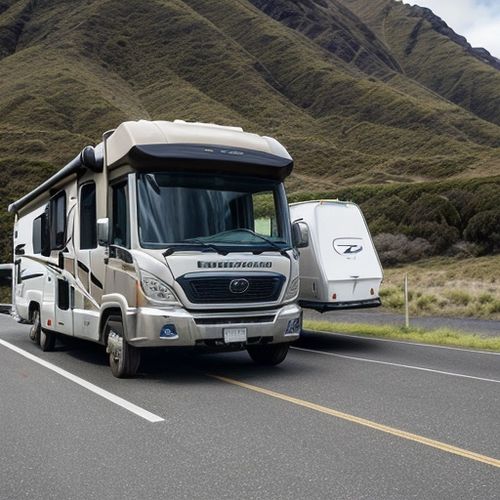
New Zealand’s stunning landscapes and freedom camping culture make it a dream destination for road trippers and RV enthusiasts. However, one of the less glamorous but crucial aspects of life on the road is managing waste disposal. Across the country, dump stations—facilities where travelers can empty their motorhome or caravan waste tanks—are available in both free and paid variants. Understanding the differences between these options can significantly impact the convenience, hygiene, and overall experience of your journey.
The debate between free and paid dump stations isn’t just about cost; it’s a balance between accessibility, maintenance, and amenities. Free dump stations are often provided by local councils or community organizations as a public service. These sites are typically no-frills, offering the bare essentials for waste disposal. While they save travelers money, they may lack regular upkeep or additional facilities like freshwater refills or cleaning supplies. In contrast, paid dump stations, commonly found at holiday parks, service stations, or dedicated RV facilities, charge a nominal fee—usually between NZD $5 to $20—for access. The payment often translates to better-maintained facilities, clearer instructions, and sometimes extras like potable water, trash bins, or even showers.
Location and availability play a significant role in choosing between free and paid options. Free dump stations are scattered unevenly across New Zealand, with higher concentrations in popular tourist regions like the South Island’s West Coast or Northland. However, they can be harder to find in remote areas or smaller towns. Paid stations, on the other hand, are more consistently distributed, especially near major highways or camping hubs. For travelers on tight schedules, the reliability of paid stations can be worth the expense, reducing the stress of hunting for a free spot that might already be crowded or out of service.
Hygiene and environmental considerations are another critical factor. Free dump stations, while convenient, sometimes suffer from neglect. Overflowing tanks, unpleasant odors, or broken equipment are not uncommon, particularly during peak travel seasons. This can create not just an unpleasant experience but also environmental hazards if waste isn’t properly contained. Paid stations, with their revenue stream, are generally cleaner and better monitored. Many enforce strict guidelines for use, ensuring that the facility remains sanitary for the next visitor. For eco-conscious travelers, this might justify the extra cost, as proper waste management is vital for protecting New Zealand’s pristine natural environments.
The user experience at dump stations also varies widely. Free sites often come with minimal signage or instructions, assuming users already know the drill. This can be daunting for first-time RVers or international visitors unfamiliar with local protocols. Paid stations frequently provide step-by-step guides, multilingual instructions, or even staff assistance, making the process smoother and less intimidating. Some premium paid facilities even offer drive-through setups, eliminating the need for awkward maneuvering—a perk appreciated by those driving larger vehicles.
Seasonal demand further influences the choice between free and paid options. During summer holidays or long weekends, free dump stations can become congested, leading to long waits or even temporary closures due to overuse. Paid stations, with their capacity limits and staff oversight, are less prone to such issues. Some travelers strategically mix both options—using free stations when they’re quiet and opting for paid ones during busy periods—to balance cost and convenience.
Cultural attitudes toward freedom camping also shape the dump station landscape. In recent years, some regions have reduced or removed free dump stations due to misuse or the strain on local resources. This has led to a gradual shift toward paid models, especially in areas where tourism pressure is high. While this trend may disappoint budget travelers, it reflects a broader effort to sustain New Zealand’s camping infrastructure long-term. Supporting paid stations can be seen as contributing to the maintenance of these essential services.
Technology has begun to bridge some gaps between free and paid services. Mobile apps like Campermate or WikiCamps now provide real-time updates on dump station locations, fees, and user reviews. These tools help travelers plan ahead, avoiding poorly maintained free sites or identifying paid stations that offer good value. Some paid facilities even allow digital payments or memberships, streamlining the process for frequent users.
Ultimately, the choice between free and paid dump stations depends on individual priorities. Budget-conscious travelers willing to tolerate occasional inconveniences may prefer free options, while those valuing reliability and cleanliness might find paid stations a worthwhile investment. Many seasoned RVers recommend a hybrid approach—using free stations when practical but budgeting for paid ones when necessary. This flexibility ensures that waste management doesn’t overshadow the joys of exploring New Zealand’s breathtaking roads.
As New Zealand’s tourism industry evolves, so too will its infrastructure for RV travelers. Whether free or paid, dump stations remain a vital part of the journey, reminding us that responsible travel is key to preserving the beauty that draws visitors in the first place. The next time you hit the road, a little research and preparation can turn this mundane task into a seamless part of your adventure.
By Christopher Harris/Apr 14, 2025
By William Miller/Apr 14, 2025
By Grace Cox/Apr 14, 2025
By James Moore/Apr 14, 2025
By Victoria Gonzalez/Apr 14, 2025
By Megan Clark/Apr 14, 2025

By Lily Simpson/Apr 14, 2025
By Eric Ward/Apr 14, 2025

By Elizabeth Taylor/Apr 14, 2025
By Thomas Roberts/Apr 14, 2025
By Emily Johnson/Apr 14, 2025

By Olivia Reed/Apr 14, 2025

By Sarah Davis/Apr 14, 2025

By Laura Wilson/Apr 14, 2025
By John Smith/Apr 14, 2025

By Emily Johnson/Apr 14, 2025

By Ryan Martin/Apr 14, 2025

By Sophia Lewis/Apr 14, 2025

By Samuel Cooper/Apr 14, 2025

By Sarah Davis/Apr 14, 2025